



Artistic skill develops best in environments shaped by openness and dependable resources. When materials are easy to obtain, learners approach instruction with curiosity rather than caution. Creative spaces feel more inviting when experimentation does not carry unnecessary limitations. Creative instruction becomes more approachable through dependable options like fusing glass supplies by Hollander.
How Do Accessible Glass Materials Support Training?
Accessible glass materials support training by reducing pressure during the learning process. Learners feel less restrained when they know materials can be replaced easily. This freedom allows repeated practice without fear of running out.
Instruction becomes clearer when supply planning stays predictable. Educators can guide learners through exercises without altering expectations mid-session. As a result, training sessions remain productive and focused on skill improvement.
Affordability And Consistent Material Access
Reasonable pricing combined with steady availability plays a central role in creative instruction. Together, these factors help maintain balanced learning environments where progress feels achievable.
Reduced Financial Pressure
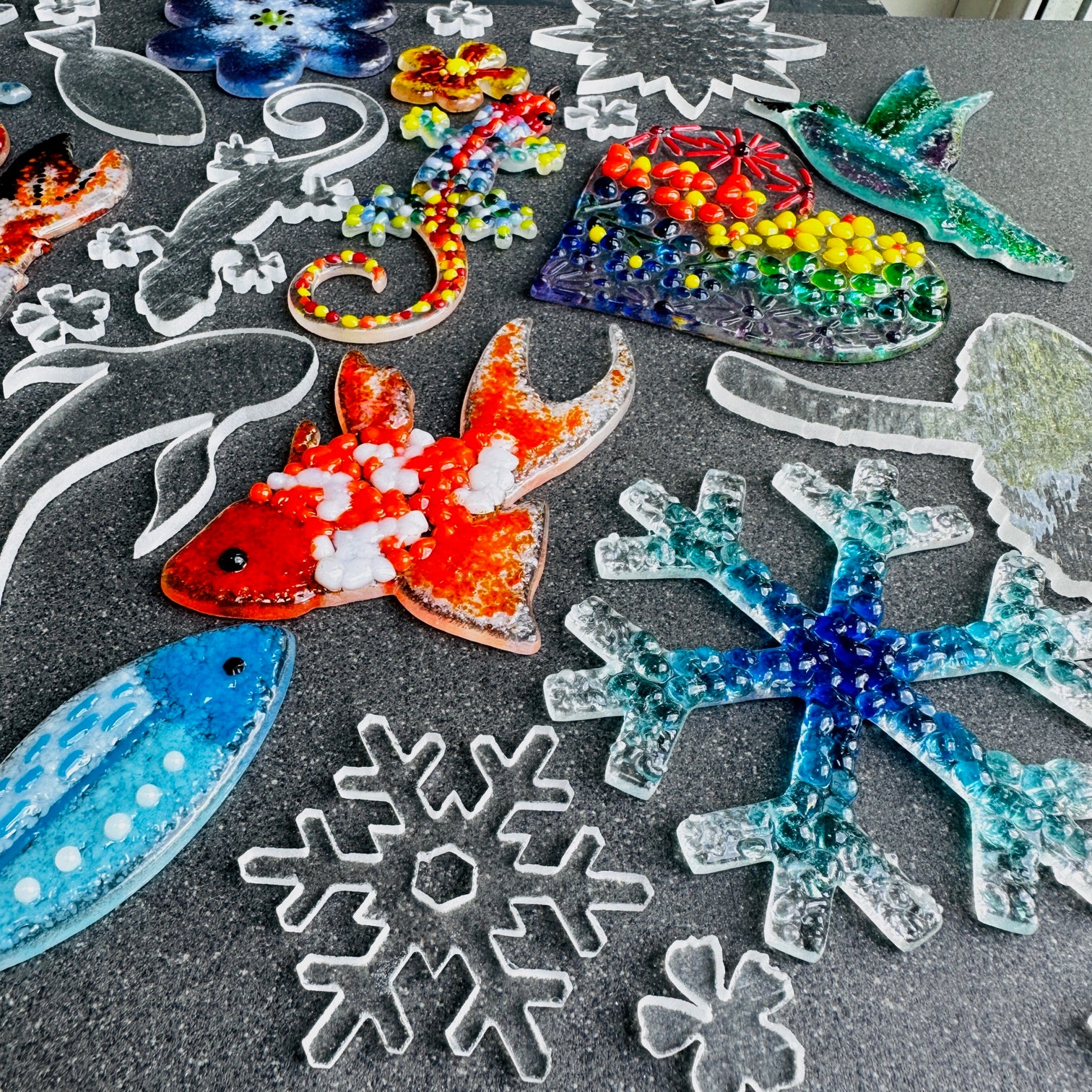
- Encourages creative attempts without excessive hesitation
- Supports beginners exploring unfamiliar techniques
- Makes shared instruction easier to organize
Dependable Supply Continuity
- Maintains progress during extended learning projects
- Helps instructors plan lessons with confidence
- Allows learners to revisit methods consistently
When affordability and access work together, learning remains uninterrupted. Creative attention stays directed toward development rather than material concerns.
Why Does Availability Matter During Skill Development?
Availability matters because learning relies on repetition and familiarity. Skills strengthen when learners revisit processes multiple times. Gaps in access often disrupt concentration and slow creative progress.
Consistent materials allow ideas to develop naturally through ongoing practice. Learners gain confidence by working with familiar inputs. That continuity supports thoughtful decision-making and deeper technical understanding.
Product Design That Encourages Creative Confidence
Material design influences how learners interact during instruction. Predictable handling reduces frustration and keeps attention on the task. When materials behave reliably, learners remain engaged longer. Training environments benefit when fusing glass supplies by Hollander remain available across different project stages. Familiar materials allow learners to build confidence through repeated success. That sense of reliability supports smoother creative exploration.
Can Learners Practice Freely Without Material Anxiety?
Yes, learners can practice more openly when materials feel accessible. Anxiety often arises when supplies seem scarce or difficult to replace. Removing that concern allows focus to stay on learning. Freedom during practice encourages experimentation without fear of setbacks. Learners try new ideas knowing mistakes will not limit future sessions. This approach supports growth through exploration rather than restraint.
Creative Learning Grows With Open Access
Creative instruction thrives in spaces shaped by openness and availability. Learners respond positively when resources support exploration instead of limitation. Consistent access allows ideas to develop without interruption.
Instruction becomes more effective when materials complement learning goals. Over time, accessible resources help learners build confidence and lasting creative skills. Opportunity expands when access remains within reach.